
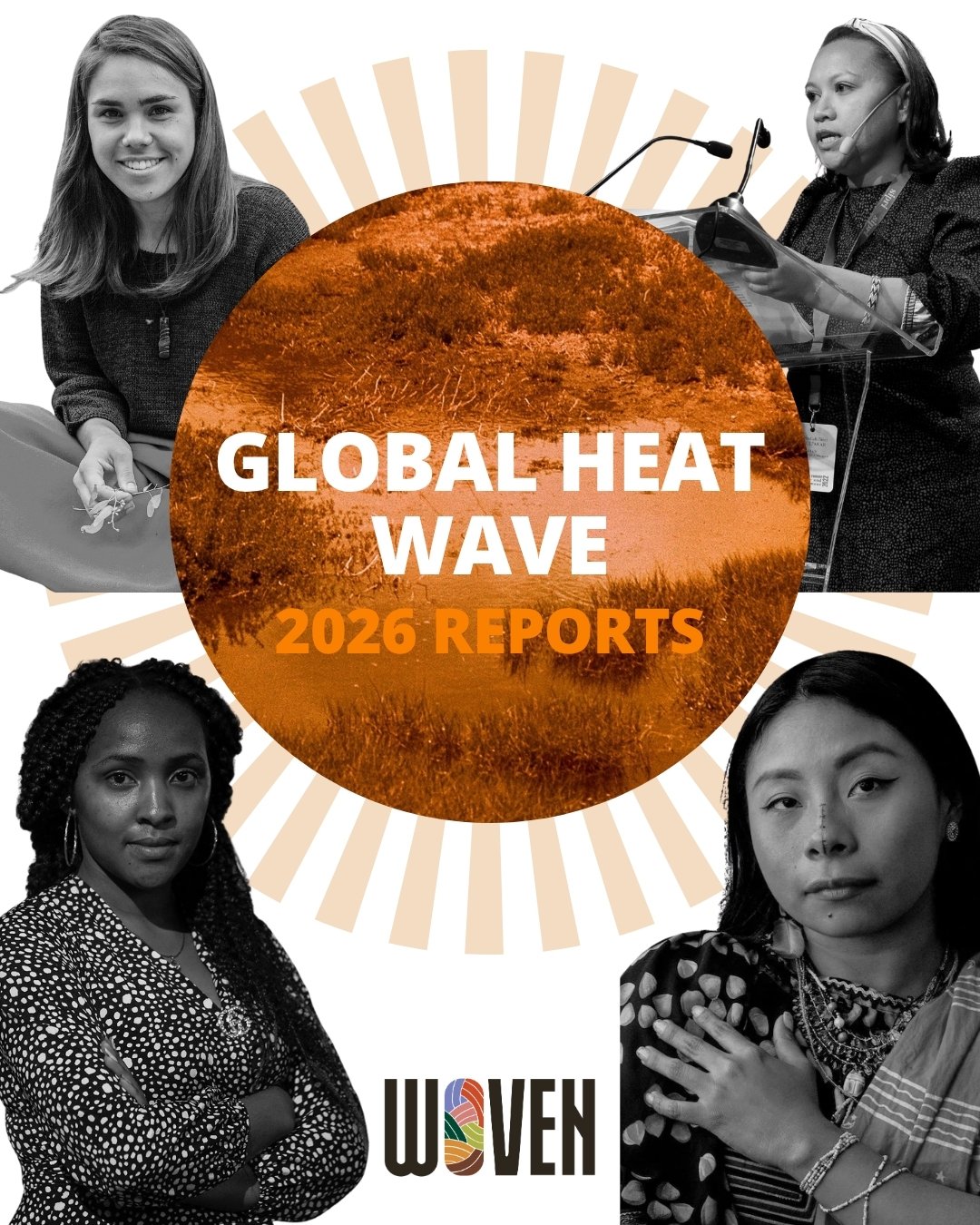
Global Heat Wave - 2026 Reports
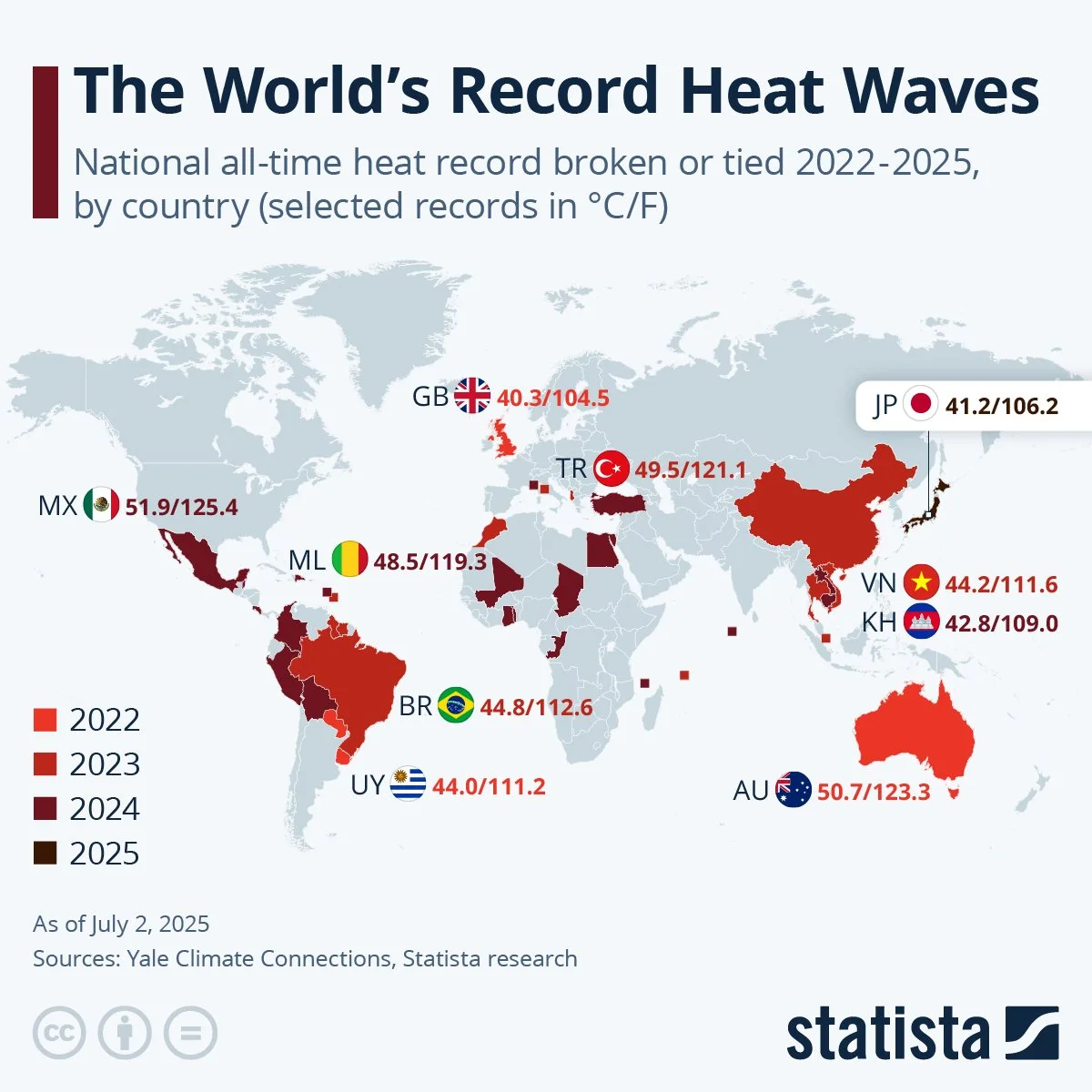
While we move closer to warmer months, the beginning of 2026 has already proved to have had record-breaking temperatures for extreme heat around the globe.
Record-Breaking Heat Waves in Early 2026
As of late March 2026, severe and record-breaking heat waves have already impacted multiple continents, characterized by unusually early spring heat in the Northern Hemisphere and summer fire emergencies in the Southern Hemisphere.
“Heat Dome”
“In the Northern Hemisphere, areas of high pressure rotate clockwise, with sinking air that compresses and warms as it descends to Earth’s surface. When an area of persistent high pressure occurs over a location, it can trap heat close to the ground for a prolonged period—causing a heat dome that drives record-breaking temperatures. A heat dome created extreme temperatures and fueled severe wildfires, resulting in a deadly start to the year.”
Demographics
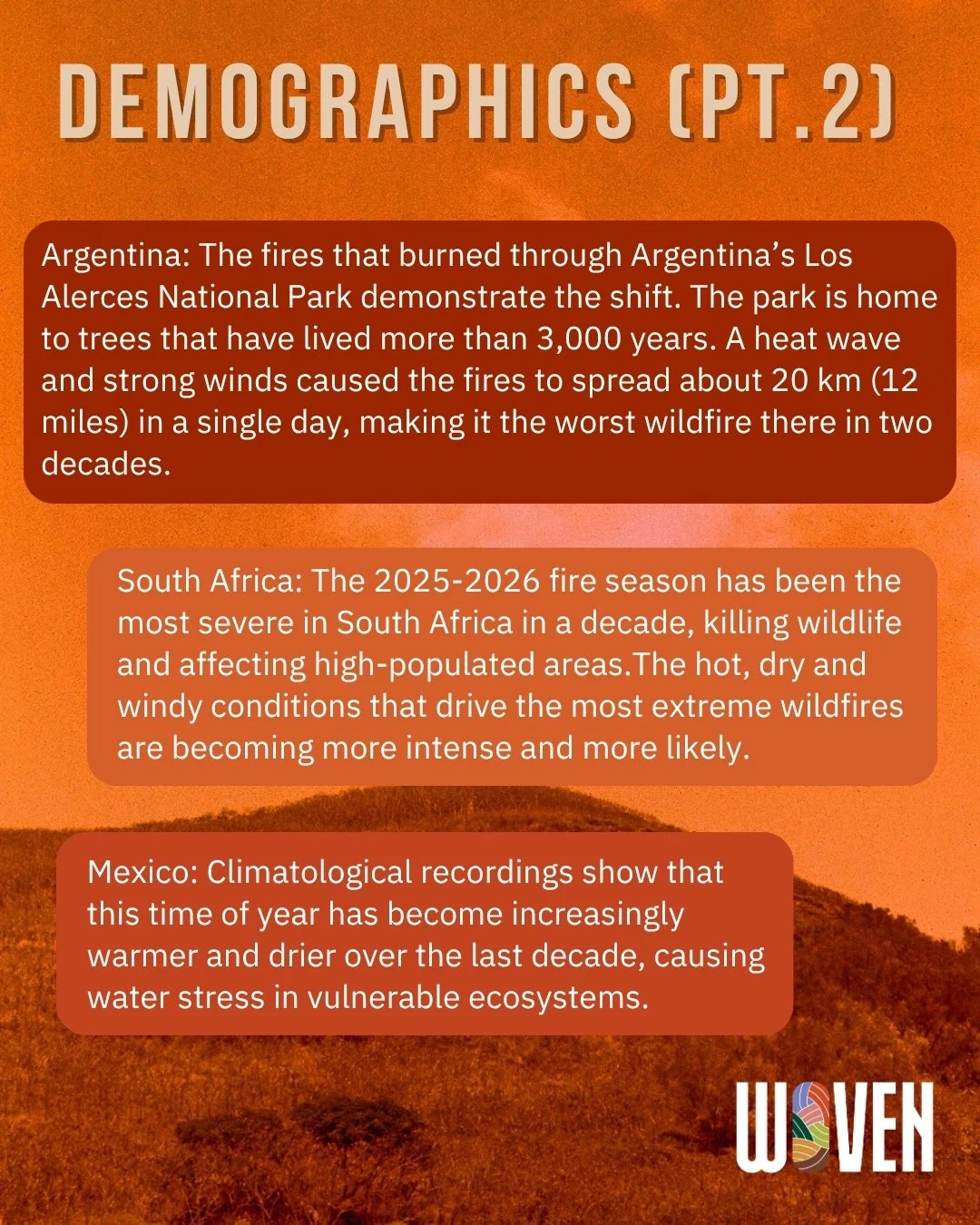
Australia: Heatwaves cause more deaths in Australia than all other environmental risks combined. This year’s heatwave was the most severe in six years. Outside of it posing extreme hazards on health conditions in the city - it also has been significantly impacting rural areas among Torres Strait Islander and Aboriginal communities, where risks are frequently under-recognised.
Canada: Abnormally warm temperatures are expected to sweep southeastern British Columbia to southern Saskatchewan. This is impacted by the U.S.’s heat dome.
Mexico: As Spring approaches, Mexico has been enduring extreme heat that has brought advisories to residents. Climatological recordings show that this time of year has become increasingly warmer and drier over the last decade, causing water stress in vulnerable ecosystems.
U.S.: March 2026 has had record highs for weather reports, with many locations across the Desert Southwest are expected to see their earliest 100+ degree day on record. Fossil fuel burning has exacerbated the heatwave and made it four times more likely for extreme weather. Causing heat-related illness, impacting local economies, and devastating the land from brushfires.
South Africa: “The 2025-2026 fire season has been the most severe in South Africa in a decade, killing wildlife and affecting high-populated areas such as Mossel Bay and Franschhoek. The hot, dry and windy conditions that drive the most extreme wildfires are becoming more intense and more likely,” Climate Scientist Theodore Keeping said. “And it’s happening all around the world.”
Argentina: The fires that burned through Argentina’s Los Alerces National Park demonstrate the shift, according to meteorologist Carolina Vera of the Center for Ocean and Atmospheric Research at the University of Buenos Aires. The park, a UNESCO World Heritage site, is home to trees that have lived more than 3,000 years. Local officials determined that a lightning strike caused the fire. The blaze initially was under control. But Vera said a heat wave and strong winds caused it to spread about 20 km (12 miles) in a single day, making it the worst wildfire there in two decades.
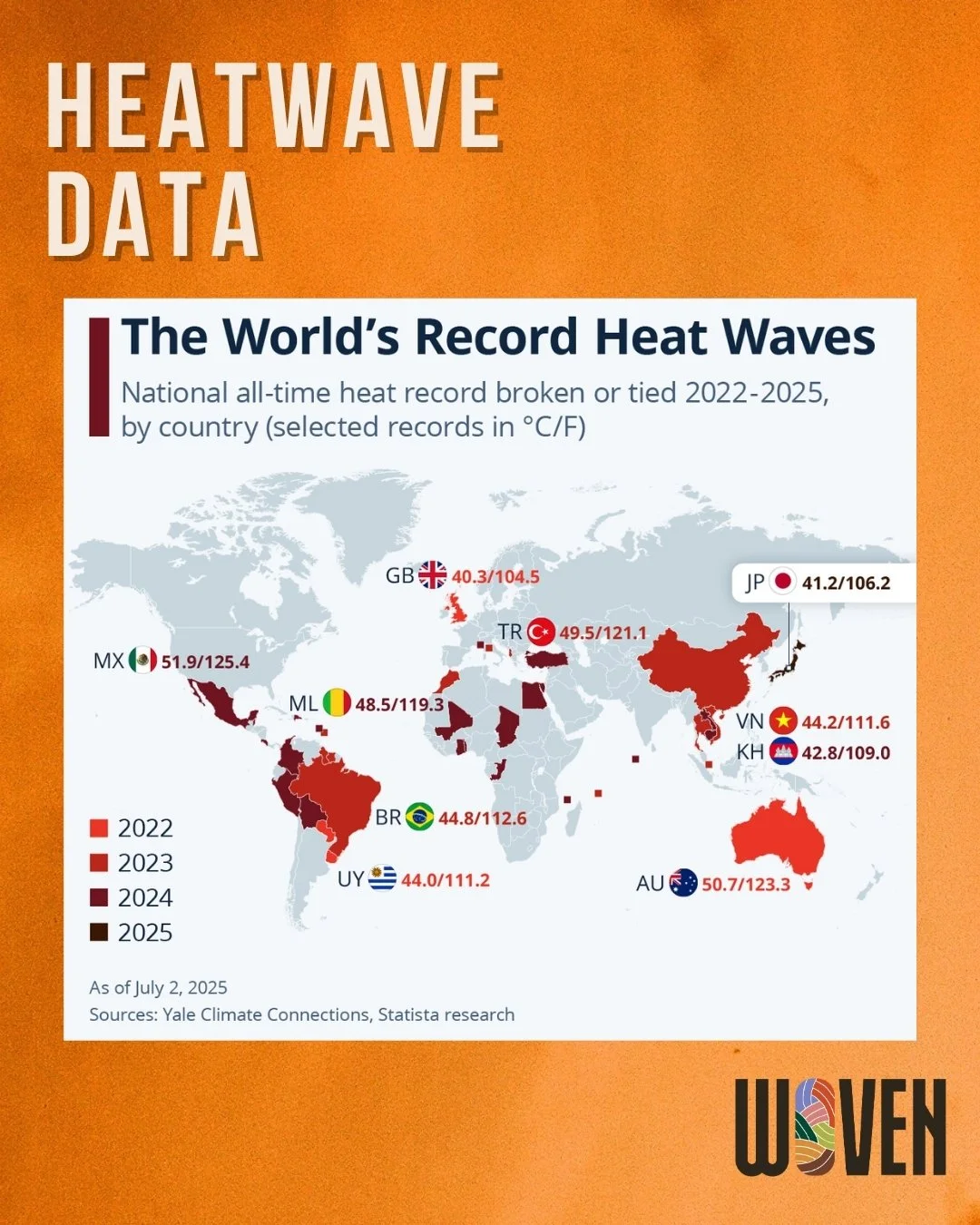
Heatwave Data
Indigenous Perspectives on the Climate Crisis
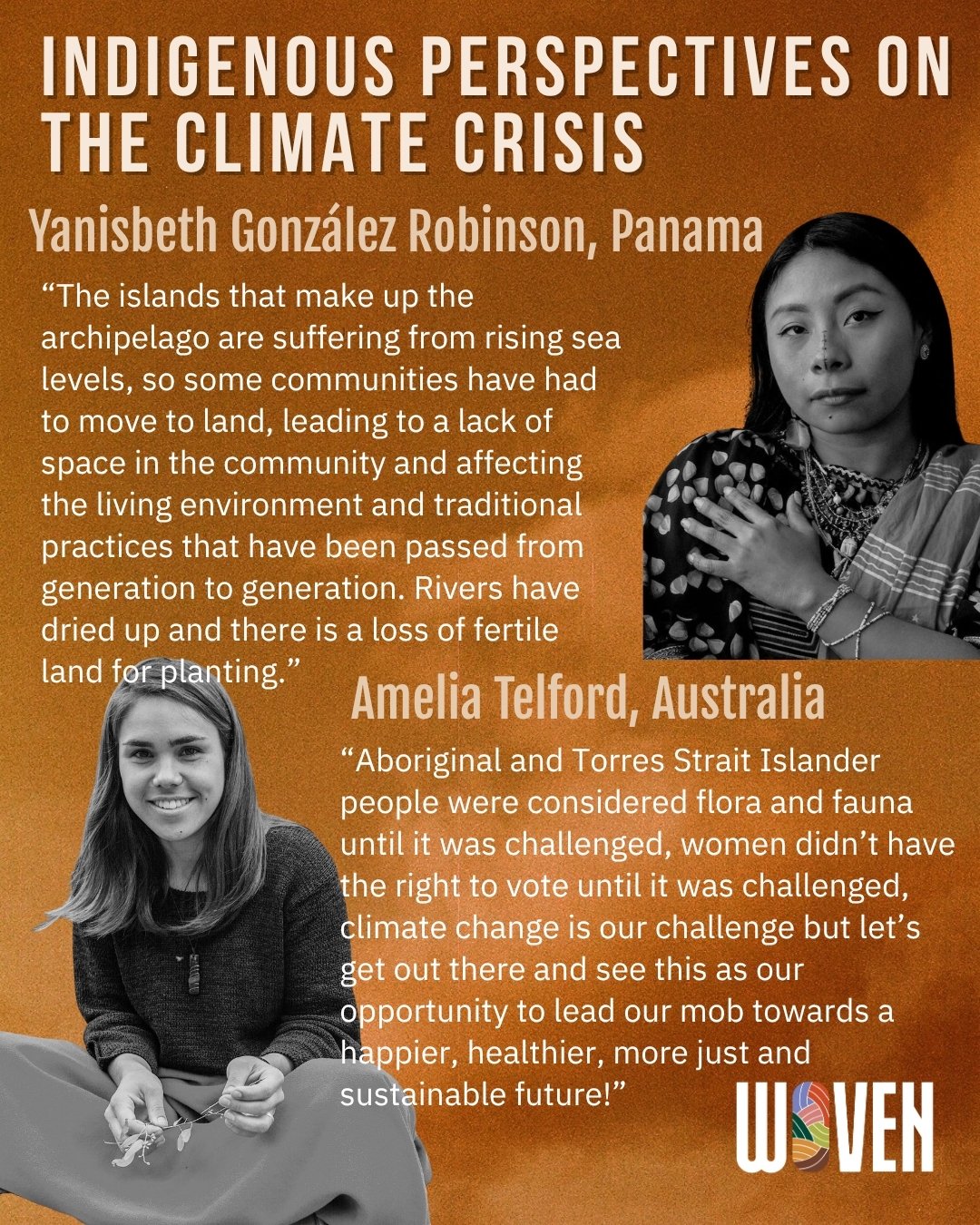
Yanisbeth González Robinson - Panama
“The islands that make up the archipelago are suffering from rising sea levels, so some communities have had to move to land, leading to a lack of space in
the community and affecting the living environment and traditional practices that have been passed from generation to generation. Rivers have dried up and there is a loss of fertile land for planting.”
Amelia Telford - Australia
Amelia founded the first climate network for Indigenous Youth – SEED, a grassroots network that connects young Indigenous people and amplifies their voices. Including issues such as the climate conditions that are highly sensitive to the impact of extreme weather like storms, floods, rain and bushfires. Housing in town camps that are set aside for Aboriginal people aren’t sustainable for the heat, and with the lack of rainfall, communities are running out of water. The temperature increase is reducing native food, sea levels rising is forcing people off their land and extreme weather events causing communities to be cut off from services.
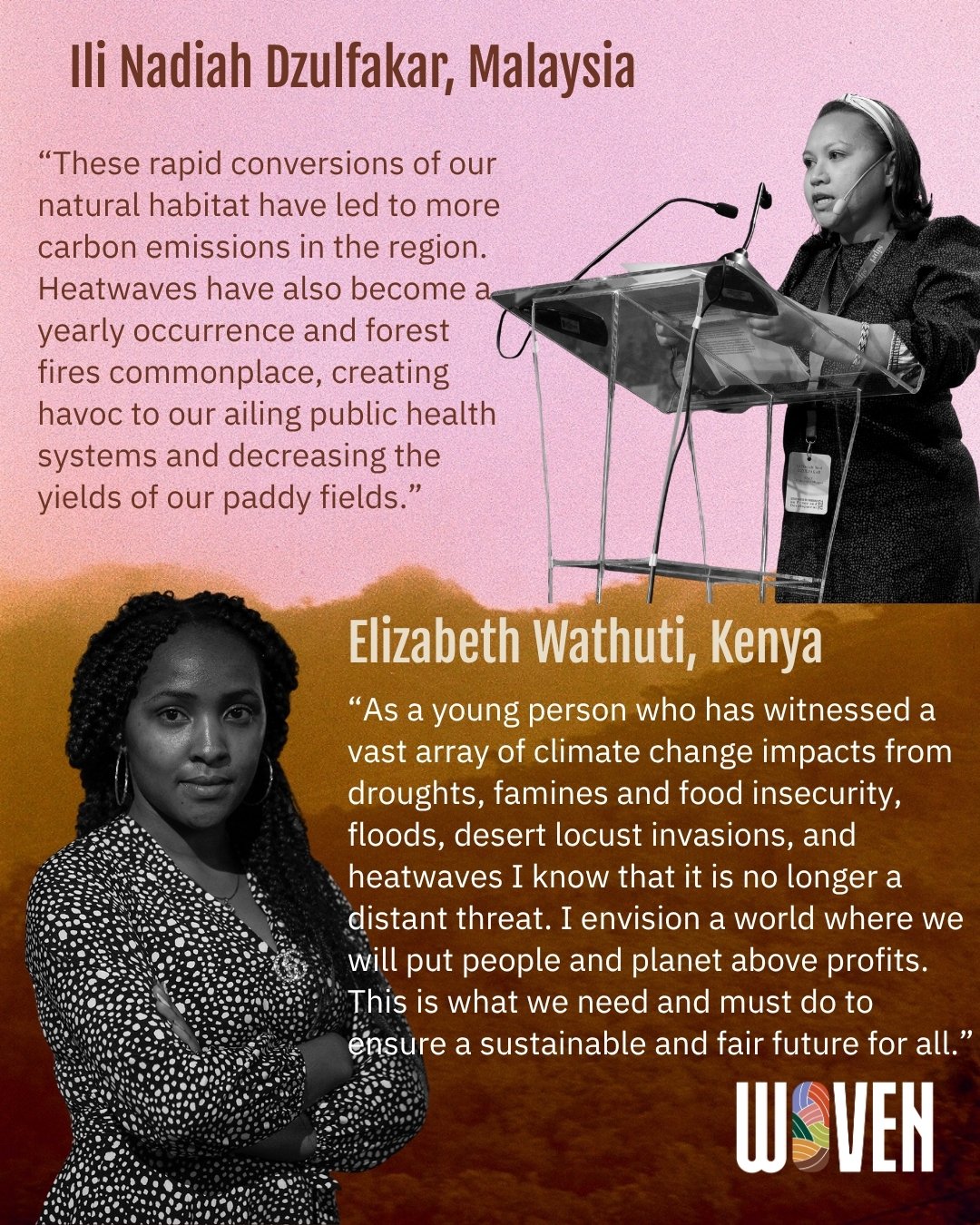
Ili Nadiah Dzulfakar - Malaysia
“These rapid conversions of our natural habitat have led to more carbon emissions in the region. In 2012, Malaysia had the highest deforestation rates in the world and the loss of these critical ecosystems have led to more flooding tragedies during intense rainfall episodes attributed to the warming climate, such as the big flood in 2016 and the most recent flood in 2021 leaving a trail of death and destruction. Heatwaves have also become a yearly occurrence and forest fires commonplace, creating havoc to our ailing public health systems and decreasing the yields of our paddy fields.”
Elizabeth Wathuti - Kenya
“As a young person who has witnessed a vast array of climate change impacts from droughts, famines and food insecurity, floods, desert locust invasions, and heatwaves I know that it is no longer a distant threat. That is why I’m also urging world leaders into action to stop investing in fossil fuels and start actively regenerating the enormous swathes of the land that we’ve degraded while ensuring we keep all remaining natural ecosystems intact. Not in 2030 or 2050, but now. I envision a world where we will put people and the planet above profits and be mindful of how we leave this planet for the generations to come. This is what we need and must do to ensure a sustainable and fair future for all.”
